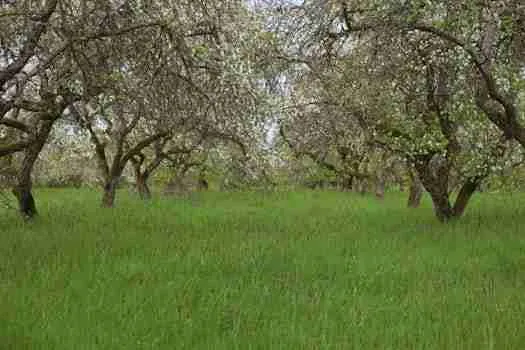

Springtime, a season often associated with hope and renewal, is paradoxically linked to a troubling rise in youth suicide. I noticed an editorial in The Tennessean that highlights how, even as nature bursts into new life, many young people face invisible struggles that parents and communities may overlook. The article urges us not to assume that brighter days automatically mean brighter moods—sometimes, the contrast can even deepen the pain for those wrestling with depression or hopelessness. Reading this, I was struck by how easily we can mistake outward signs of renewal for inner healing. The editorial points out that parents should be vigilant for changes in mood or behavior, even as routines shift for spring sports, school activities, or upcoming summer plans. Open communication, attentive listening, and a willingness to ask hard questions are vital. The piece also emphasizes the importance of connecting youth to professional help and supportive communities when needed. As Christians, we are called to walk alongside the hurting, just as Christ walked with those who suffered. In seasons of new growth, we can remember that God’s renewal is not just for the earth, but for our souls as well. For parents, this means creating safe spaces for children to share, praying together honestly, and seeking help without shame. Paul’s words remind us, “Carry each other’s burdens, and in this way you will fulfill the law of Christ” (Galatians 6:2). Let’s not be fooled by spring’s surface beauty, without giving in to fear and panic—let’s look deeper, offer hope, and trust that God’s love can bring true renewal, even in the hardest seasons. If you or someone you love needs help, don’t wait—reach out, pray together, and remember that no one walks this journey alone. Remember that calling 988 always puts an important resource at your fingertips.
New Beginnings: Spring’s Light and Facing Youth Suicide with Faith and Hope